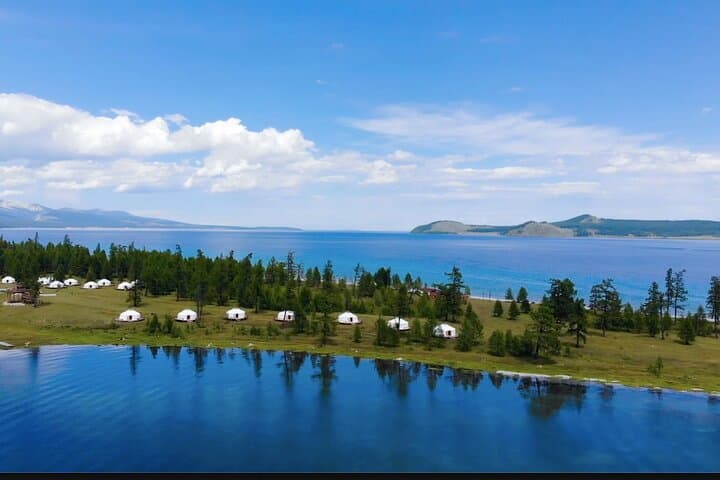
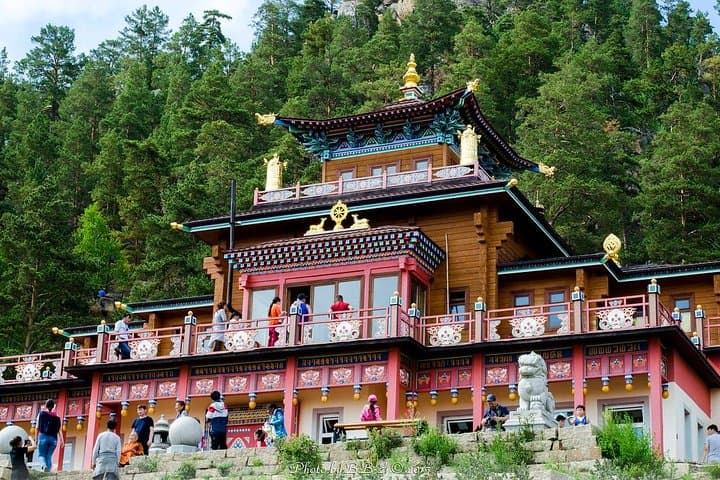
Lake Baikal UNESCO World Heritage Site Adventures
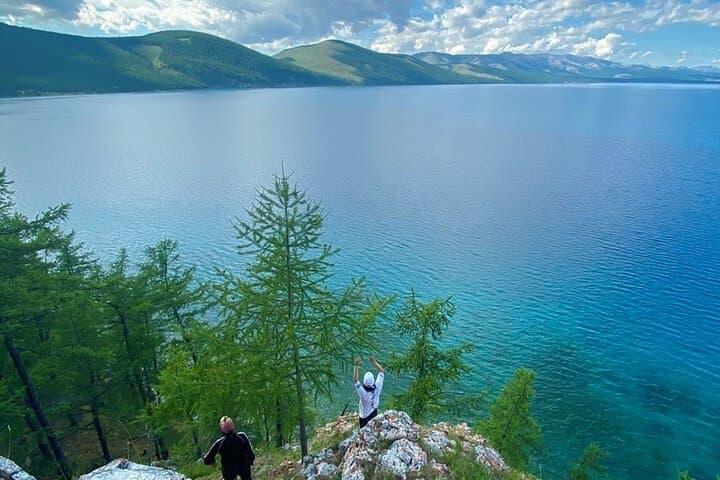
Lake Baikal, the world's deepest and oldest freshwater lake, offers unparalleled biodiversity and stunning natural landscapes. Visitors are drawn to its clear waters and surrounding Siberian wilderness.
Popular Activities
Plan Your Visit
Everything you need to know to prepare for an unforgettable trip to Lake Baikal UNESCO World Heritage Site.
Entrance Requirements
No entrance fee, but regulations apply for certain activities and areas.
Best Time to Visit
Summer for hiking and water activities; winter for ice sports and clear skies.
Visitor Information
Main visitor center in Listvyanka, offering insights into the lake’s ecosystem.
Getting There
Accessible by road from Irkutsk; winter roads open once the lake freezes.
Weather & Climate
Lake Baikal experiences harsh Siberian winters with temperatures plunging below -20°F, while summers are milder, ranging from 50°F to 68°F. Precipitation is moderate with snow cover lingering from October to April.
Conservation Efforts
Environmental concerns include pollution from nearby industries, invasive species, and overfishing. Conservation efforts are crucial to maintain the lake's delicate ecosystem. Climate change poses a long-term threat to the region's biodiversity.
Camping in Lake Baikal UNESCO World Heritage Site
Find the perfect spot to stay overnight and immerse yourself in the details.
Olkhon Island Campgrounds
Camping is available around the island; permits may be required for certain beaches.
Listvyanka Camping
Located near the village with basic facilities; close to shops and attractions.
Top Trails
Olkhon Island Trail
Follows the island's scenic western shore with views of rocky cliffs.
Chersky Peak
A challenging hike with rewarding panoramic views of the lake.
Circum-Baikal Railroad Walk
Trek along the historic railway line with engineering structures and lake vistas.
Great Baikal Trail
Part of an ambitious, ongoing trail project around the lake.
Trailblazer Tips
Pack layers; Siberian weather can change rapidly.
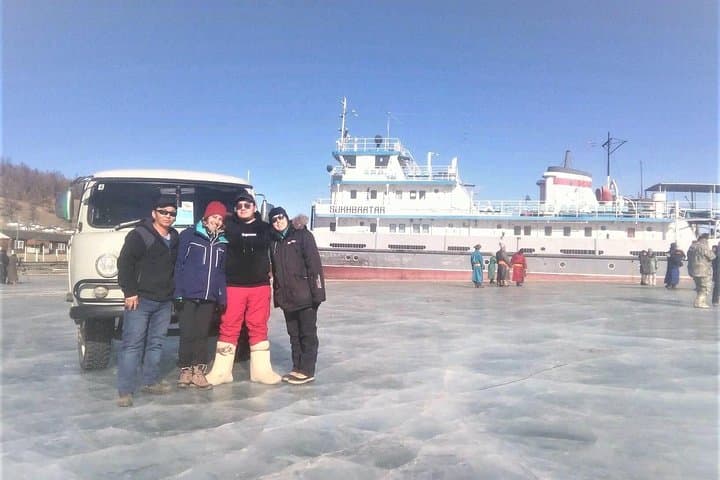
Winter ice trekking is a unique experience but requires caution and proper gear.
Ferry services operate during summer between key islands; book in advance.
Bring a portable water filter for longer hikes, though the lake's water is potable.